









Facebook Ads Strategy That Actually Drives Results in 2026
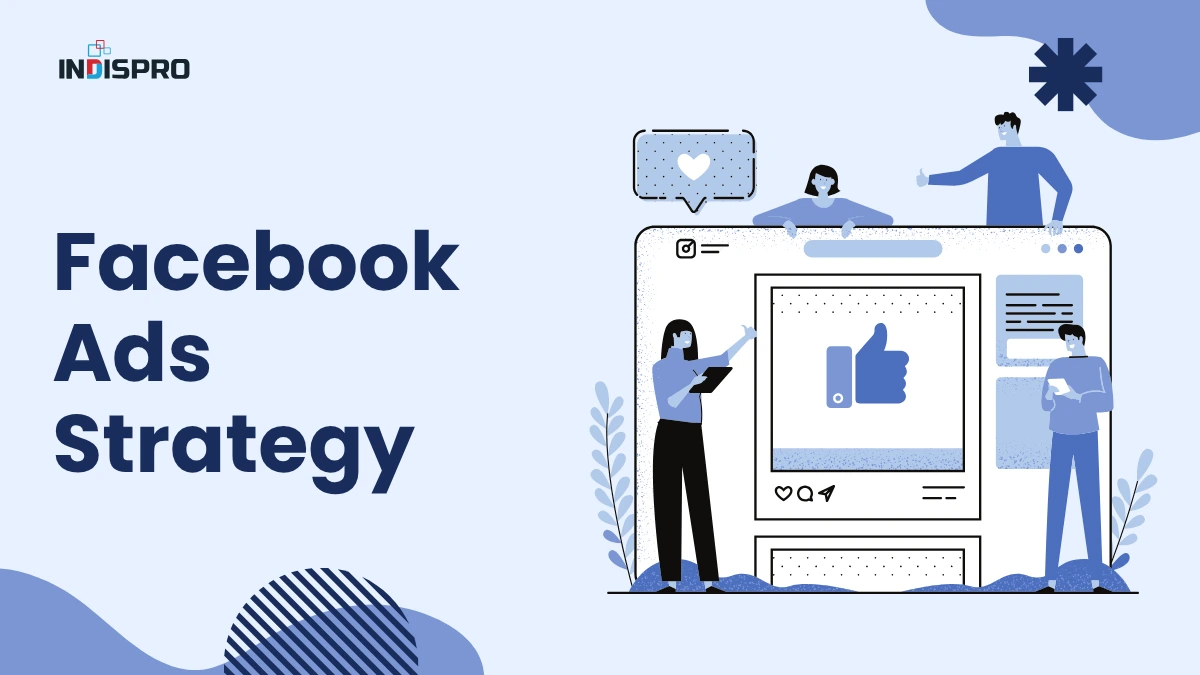
Running Facebook ads today is very different from what it was a few years ago. What used to work with simple boosting and broad targeting no longer delivers the same results. The platform has become more competitive, more data-driven, and far more dependent on strategy.
That does not mean Facebook ads have lost their value. In fact, businesses that understand how to adapt are still seeing consistent growth, quality leads, and strong returns. The difference now lies in how you approach it. A well-planned Facebook ads strategy is no longer optional, it is essential.
From understanding your audience to choosing the right campaign objective, every step plays a role in determining whether your ads succeed or fail. Random experimentation without direction often leads to wasted budget and frustration.
This guide breaks down what actually works today. Instead of outdated tactics, you will find practical insights that align with how Facebook’s system operates now. Whether you are just starting or trying to improve your current campaigns, having a clear strategy will make all the difference.
Why Facebook Ads Are Still One of the Most Powerful Marketing Channels
There is a growing narrative that Facebook ads are no longer effective. In reality, the platform is still one of the most powerful tools available for businesses that know how to use it correctly. The difference is not in the platform itself, but in how advertisers approach it.
With access to a massive user base and detailed targeting capabilities, Facebook allows businesses to reach people based on interests, behaviors, and intent. This level of precision is difficult to achieve through most other channels. When combined with a well-structured Facebook ads strategy, it becomes a consistent source of traffic, leads, and sales.
The platform also benefits from constant user engagement. People spend a significant amount of time browsing content, interacting with posts, and discovering new brands. This creates repeated opportunities for businesses to stay visible and relevant.
However, success is no longer about simply running ads. It requires a thoughtful approach that combines data, creativity, and continuous optimization. Businesses that treat Facebook ads as a strategic system rather than a one-time effort are the ones that continue to see results.
Building a Clear Understanding of Your Ideal Audience
Before launching any campaign, the most important step is understanding who you are trying to reach. A strong Facebook ads strategy always begins with audience clarity. Without it, even the most well-designed campaigns can fail to perform.
Your ideal audience is more than just age and location. It includes their interests, online behavior, challenges, and decision-making patterns. The more specific you can get, the more effective your targeting will become.
Instead of trying to reach everyone, focus on reaching the right people. Broad targeting often leads to wasted impressions and low engagement. On the other hand, a clearly defined audience allows your message to feel relevant and personal.
It is also important to identify what motivates your audience. Are they looking to solve a problem, save time, or improve something in their life or business? When your ads speak directly to those motivations, they naturally attract attention.
A deep understanding of your audience not only improves targeting but also strengthens your messaging, creatives, and overall campaign performance.
Setting the Right Campaign Objective for Better Results
Choosing the right campaign objective is one of the most critical parts of any Facebook ads strategy. It directly influences how Facebook delivers your ads and who sees them.
Each objective is designed to achieve a specific outcome. Some are focused on awareness, while others are optimized for clicks, leads, or conversions. When you select an objective, you are essentially telling Facebook what kind of result you want, and the platform adjusts its delivery accordingly.
Problems usually arise when there is a mismatch between the objective and the actual goal. For example, running a traffic campaign while expecting purchases often leads to disappointing results. The system is optimized for clicks, not conversions, so it delivers users who are more likely to click rather than buy.
To avoid this, always align your objective with your desired outcome. If your goal is to generate leads, choose a lead-focused objective. If you are aiming for sales, use a conversion-based approach.
This level of clarity ensures that your campaigns are optimized from the start, making it easier to achieve meaningful results over time.
Creating Scroll-Stopping Ad Creatives That Capture Attention
One of the biggest factors that determines whether your ad succeeds or fails is the creative. People scroll quickly, and your content has only a few seconds to grab attention. A strong Facebook ads strategy always prioritizes creatives that stand out without feeling forced or overly polished.
The goal is not to create something overly complex. In many cases, simple and relatable visuals perform better than highly designed graphics. What matters most is whether your creative connects with the audience instantly. It should feel relevant, clear, and easy to understand at a glance.
Video content continues to perform well because it naturally draws attention in a busy feed. Short, engaging clips that highlight a problem or demonstrate a solution tend to keep users watching longer. Static images can also work effectively when they include strong visual contrast and a clear message.
Another important element is authenticity. Ads that feel too promotional often get ignored. Instead, content that looks natural, like something a user might normally see in their feed, tends to perform better. This is why user-generated style content is becoming more effective.
Testing different variations is essential. Even small changes in visuals or messaging can significantly impact performance. The more you test, the better you understand what resonates with your audience.
Writing Ad Copy That Feels Natural and Converts
While visuals grab attention, it is the copy that guides the user toward action. A well-crafted message is a key part of any effective Facebook ads strategy. Without it, even strong creatives can fall short.
Good ad copy does not try too hard to sell. Instead, it focuses on connecting with the reader. It starts with a simple hook that speaks directly to a problem or desire. This immediately makes the ad feel relevant and worth paying attention to.
Clarity is more important than complexity. The message should be easy to read and understand within seconds. Long, complicated sentences often lose the reader before they reach the main point. Keeping the language simple and conversational makes the ad feel more human.
It is also important to focus on benefits rather than features. Instead of explaining what a product does, explain how it helps. People respond more to outcomes than specifications.
A clear call to action should guide the next step, but it should not feel aggressive. Subtle direction often works better than pressure.
When your copy feels natural and speaks directly to your audience, it builds trust. That trust is what ultimately leads to clicks, engagement, and conversions.
Smart Budgeting and Testing for Consistent Performance
A common mistake many businesses make is assuming that higher spending automatically leads to better results. In reality, success comes from how you manage and test your campaigns. A well-structured Facebook ads strategy focuses on efficiency rather than just increasing budget.
Starting with a controlled budget allows you to test different elements without taking unnecessary risks. This includes testing audiences, creatives, and messaging. Instead of putting everything into one campaign, spreading your budget across multiple variations helps identify what actually works.
Testing is not a one-time process. It should be continuous. Markets change, audience behavior shifts, and what works today may not perform the same way tomorrow. Regular testing ensures that your campaigns stay relevant and effective.
Once you identify a winning combination, scaling should be done gradually. Sudden increases in budget can disrupt performance. A steady approach allows the system to adjust while maintaining results.
It is also important to monitor performance closely. Paying attention to key metrics helps you understand where improvements are needed. Campaigns that are not performing should be adjusted or replaced rather than left running.
Consistent testing and smart budgeting create a stable foundation for long-term success.
Leveraging Retargeting to Turn Interest into Action
Most people do not take action the first time they see an ad. They might scroll past, click without converting, or simply forget. This is where retargeting becomes a critical part of a complete Facebook ads strategy.
Retargeting allows you to reconnect with people who have already interacted with your brand in some way. This could be someone who visited your website, watched your video, or engaged with your previous ads. These users are already familiar with you, which makes them far more likely to convert compared to a completely new audience.
Instead of repeating the same message, retargeting works best when it builds on previous interactions. For example, if someone visited a product page but did not take action, your next ad can address common concerns or provide additional value. This keeps the conversation moving rather than starting over.
Timing also plays an important role. Showing ads too frequently can feel overwhelming, while waiting too long can cause people to lose interest. Finding the right balance helps maintain engagement without becoming intrusive.
When done correctly, retargeting transforms missed opportunities into conversions. It ensures that the effort you put into attracting attention does not go to waste, making your overall strategy far more effective.
Using Data to Continuously Improve Campaign Performance
Running ads without paying attention to data is one of the fastest ways to waste resources. A strong Facebook ads strategy relies on consistent analysis and improvement rather than guesswork.
Every campaign generates valuable insights. Metrics such as click-through rate, cost per result, and conversion rate provide a clear picture of what is working and what needs adjustment. Ignoring this information means missing opportunities to improve performance.
Instead of focusing on a single metric, it is important to look at the overall pattern. For example, a high number of clicks with low conversions might indicate an issue with your landing page or offer. On the other hand, low engagement could suggest that your creative or targeting needs refinement.
Regularly reviewing performance allows you to make informed decisions. Ads that are underperforming can be paused or adjusted, while successful ones can be scaled carefully. This ongoing process keeps your campaigns aligned with your goals.
Data should guide your actions, not overwhelm you. When used correctly, it simplifies decision-making and helps you move in the right direction with confidence.
Avoiding Common Mistakes That Limit Your Results
Even with access to powerful tools, many businesses struggle to see results because of avoidable mistakes. Recognizing these issues early can significantly improve your Facebook ads strategy.
One of the most common problems is running campaigns without a clear plan. Without defined goals, it becomes difficult to measure success or make meaningful improvements. Another frequent issue is targeting too broadly, which often leads to low engagement and wasted budget.
Creative fatigue is another factor that is often overlooked. Running the same ad for too long can cause performance to drop as the audience becomes less responsive. Regularly updating creatives helps maintain interest and engagement.
Many advertisers also ignore the importance of testing. Relying on a single version of an ad limits your ability to discover what truly works. Testing different variations provides valuable insights that can improve overall performance.
Finally, neglecting data can prevent growth. Without analyzing results, it is impossible to understand what needs to change.
Avoiding these common mistakes does not guarantee instant success, but it creates a much stronger foundation for consistent improvement over time.
Conclusion
At its core, Facebook advertising is not about quick wins or shortcuts. It is about building a system that consistently brings in results over time. A well-executed Facebook ads strategy combines audience understanding, creative execution, testing, and continuous optimization.
When all these elements work together, campaigns become more predictable and easier to scale. Instead of relying on trial and error, you begin to understand what drives performance and how to replicate it.
For many businesses, managing all of this internally can become overwhelming. Balancing strategy, execution, and analysis requires both time and experience. This is where working with a team that understands the process can make a noticeable difference.
If you are looking to improve your campaigns or build a more structured approach, it may be worth exploring professional support. Platforms like https://indispro.com/ focus on creating data-driven strategies that align with real business goals rather than short-term results.
A clear strategy, combined with the right execution, is what turns advertising into a reliable growth channel.
Frequently Asked Questions
What is a Facebook ads strategy?
A Facebook ads strategy is a structured approach to planning, running, and optimizing ads on Facebook and Instagram. It involves understanding your audience, choosing the right campaign objective, creating effective ad creatives, and continuously improving performance based on data.
Instead of running random campaigns, a clear Facebook ads strategy helps businesses generate consistent leads, engagement, and sales while using their budget more efficiently.
How does a Facebook advertising strategy work?
A Facebook advertising strategy works by aligning your campaign setup with your business goals. This includes selecting the right objective, targeting the right audience, and delivering the right message at the right time.
The platform uses its algorithm to show your ads to users who are most likely to take action. When your strategy is well-structured, the system becomes more effective over time, improving results through continuous optimization.
Why are my Facebook ads not converting?
If your ads are not converting, the issue is usually not just one thing. It could be related to targeting, ad creatives, messaging, or even the landing page experience.
A strong Facebook ads strategy ensures that all these elements work together. If one part is weak, it can affect overall performance. Reviewing your campaign step by step often helps identify where improvements are needed.
How long does it take to see results from Facebook ads?
You can start seeing initial data within a few days, but consistent results usually take more time. Facebook ads rely on testing and optimization, which means early performance is often used to gather insights.
With a proper Facebook ads strategy, results tend to improve as campaigns are refined and the system learns which audience responds best.
Is Facebook ads effective for small businesses?
Yes, Facebook ads can be highly effective for small businesses when used correctly. The platform allows precise targeting, which means you can reach the right audience without needing a large budget.
By following a focused Facebook ads strategy, small businesses can compete effectively by using relevant messaging, strong creatives, and consistent optimization.
What is the best way to improve Facebook ads performance?
Improving performance comes down to testing and refinement. This includes experimenting with different audiences, creatives, and ad copy while closely monitoring results.
A well-executed Facebook ads strategy focuses on learning from data and making gradual improvements rather than relying on guesswork. Over time, this leads to more stable and scalable results.
Share On:
Categories
- Blog (29)


