









Marketing Funnel Explained: A Simple Guide to Turning Visitors into Customers
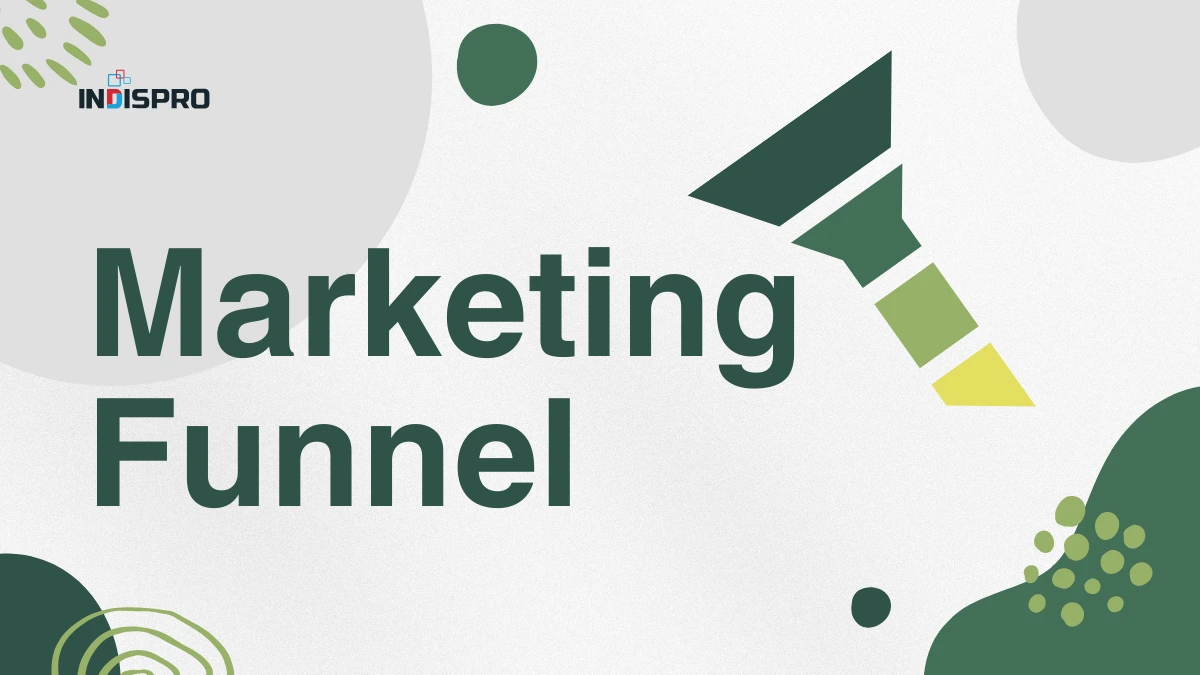
If you have ever wondered why some businesses consistently turn visitors into customers while others struggle, the answer often lies in understanding the process behind it. This is where the concept of a marketing funnel explained properly becomes important.
A marketing funnel represents the journey a person takes from discovering your brand to eventually making a decision. It is not a single step but a series of stages that guide users through awareness, interest, and action. Without a clear structure, it becomes difficult to move people forward.
Many businesses focus only on attracting attention but ignore what happens after that. As a result, they get traffic but fail to convert it into meaningful results. When the marketing funnel explained clearly, it becomes easier to identify where people drop off and how to improve each stage.
The goal is not just to bring people in but to guide them through a process that builds trust and encourages action. When each stage is aligned, the entire system becomes more effective.
This guide breaks down the concept in a practical way so you can understand how it works and apply it without confusion.
Understanding the Basic Stages of a Marketing Funnel
To fully grasp the concept, you need to look at the structure behind it. When the marketing funnel explained in simple terms, it usually consists of three main stages: awareness, consideration, and conversion.
The awareness stage is where people first discover your brand. This can happen through content, ads, or search results. At this point, users are not ready to take action. They are simply exploring and learning.
The next stage is consideration. Here, users begin to evaluate options. They compare different solutions, read more information, and try to understand what fits their needs. This is where trust starts to develop.
Finally, the conversion stage is where action happens. This could be making a purchase, signing up, or contacting your business. By this point, the user has enough confidence to move forward.
When the marketing funnel explained clearly, it becomes easier to see how each stage connects. Instead of treating marketing as separate activities, you begin to understand it as a continuous flow.
This clarity helps you focus on improving each step, making the overall process more effective.
Why Most Businesses Struggle Without a Funnel
Many businesses invest time and money into marketing but fail to see consistent results. One of the main reasons is the absence of a structured approach. When the marketing funnel explained and applied correctly, it highlights gaps that are often overlooked.
A common mistake is focusing only on attracting traffic. While visibility is important, it is only the first step. Without guiding users further, most visitors will leave without taking action.
Another issue is inconsistent messaging. If your communication changes from one stage to another without a clear connection, it creates confusion. Users need a smooth and logical progression to feel confident in their decisions.
Lack of follow-up is another major factor. Even interested users may not act immediately. Without proper engagement, these opportunities are often lost.
When the marketing funnel explained in a practical way, it becomes clear that success depends on how well each stage supports the next. It is not about isolated tactics but about creating a system that works together.
Understanding this helps businesses move from random efforts to a more structured and reliable approach.
Creating Awareness That Attracts the Right Audience
The first stage of any funnel begins with visibility, but not all attention is valuable. A clear understanding of marketing funnel explained properly shows that attracting the right audience is far more important than simply reaching a large number of people.
Awareness is about introducing your brand to individuals who are likely to be interested in what you offer. This can happen through content marketing, search engines, social media, or paid advertising. The key is to align your message with what your audience is already looking for.
Instead of pushing direct sales messages at this stage, it is more effective to provide useful and relevant information. People at the top of the funnel are usually exploring, not buying. When your content helps them understand a problem or discover a solution, it creates a positive first impression.
Consistency also plays a major role. Repeated exposure helps build familiarity, making it easier for users to recognize your brand later. This does not mean overwhelming them with content, but maintaining a steady presence.
When the marketing funnel explained clearly, the awareness stage becomes less about promotion and more about connection. It sets the foundation for everything that follows, making it easier to guide users into the next stage.
Building Interest Through Valuable and Relevant Content
Once people are aware of your brand, the next step is to keep them engaged. This is where interest begins to develop. A proper understanding of marketing funnel explained shows that this stage is critical for building trust and credibility.
At this point, users are looking for more detailed information. They want to understand how your product or service fits their needs. This is your opportunity to provide deeper insights through blog posts, guides, videos, or case studies.
The focus should be on value rather than promotion. When users feel that your content is genuinely helpful, they are more likely to stay engaged. This engagement creates a stronger connection and moves them closer to making a decision.
Clarity is also important. Your messaging should be easy to understand and directly related to your audience’s needs. Avoid unnecessary complexity, as it can reduce interest and cause users to lose focus.
Another important factor is consistency across your content. Each piece should support the overall message and guide users forward. This creates a smooth experience that feels natural rather than forced.
When the marketing funnel explained in this way, the interest stage becomes a bridge between awareness and action, helping users move forward with confidence.
Turning Consideration Into Action with Clear Messaging
As users move deeper into the funnel, they begin to evaluate their options more seriously. This stage is where decisions start to take shape. When the marketing funnel explained properly, it highlights the importance of clear and focused messaging during this phase.
At this point, users are comparing different solutions. They are looking for reasons to choose one option over another. Your role is to make that decision easier by presenting clear benefits and addressing potential concerns.
Trust plays a significant role here. Elements such as testimonials, reviews, and real examples can help reduce hesitation. These signals show that others have had positive experiences, making users more confident in their choice.
Your messaging should also be direct. Instead of general statements, focus on specific outcomes and how your solution helps. This makes your offer more tangible and easier to understand.
A clear call to action is essential. Users should know exactly what to do next, whether it is signing up, making a purchase, or contacting your business. Removing confusion at this stage can significantly improve results.
When the marketing funnel explained in a practical way, it becomes clear that this stage is where careful guidance turns interest into action.
Strengthening Conversions with a Smooth User Experience
As users reach the final stage of the funnel, small details begin to matter more. Even if someone is ready to take action, a poor experience can stop them from completing it. When the marketing funnel explained in detail, it becomes clear that conversion depends heavily on how smooth and simple the process feels.
A complicated checkout, slow website, or unclear instructions can create hesitation. People prefer quick and easy experiences, especially when they are close to making a decision. Reducing friction at this stage helps improve completion rates.
Clarity is one of the most important factors. Users should immediately understand what they need to do next. Whether it is filling out a form or completing a purchase, the process should feel straightforward and intuitive.
Trust also plays a key role. Simple elements like secure payment indicators, testimonials, or clear policies can make users feel more confident. These small additions reduce uncertainty and support decision-making.
Another important factor is consistency. The message that brought the user to this stage should match what they see on the final page. This alignment reinforces their choice and reduces confusion.
When the marketing funnel explained properly, it shows that conversion is not just about intent, but also about experience.
Using Data to Identify and Fix Funnel Gaps
Even a well-designed funnel can have weak points. Some users may drop off early, while others may leave just before converting. Understanding where this happens is essential. When the marketing funnel explained with a data-driven approach, it becomes easier to identify these gaps.
Analytics tools provide valuable insights into user behavior. You can see how people move through each stage, where they spend time, and where they leave. This information helps you understand what needs improvement.
For example, if many users leave during the consideration stage, it may indicate a lack of clarity or insufficient information. If drop-offs happen at the final step, it could be related to user experience or trust issues.
Testing is an important part of this process. By making small changes and observing the results, you can gradually improve performance. This could involve adjusting messaging, simplifying forms, or refining content.
Continuous improvement is what makes a funnel effective over time. Instead of assuming everything works perfectly, you refine it based on real data.
A practical understanding of marketing funnel explained in this way helps you move from assumptions to informed decisions.
Avoiding Common Funnel Mistakes That Reduce Results
Many businesses struggle with conversions because of avoidable mistakes within their funnel. When the marketing funnel explained clearly, it highlights patterns that often limit performance.
One common mistake is focusing too much on the top of the funnel while neglecting the later stages. Bringing in traffic is important, but without proper guidance, most users will not convert. Each stage needs equal attention.
Another issue is inconsistent messaging. If your communication changes drastically between stages, users may feel confused. A consistent tone and clear progression help maintain trust.
Overcomplicating the process can also reduce results. Too many steps, excessive information, or unclear navigation can discourage users from continuing. Simplicity often leads to better outcomes.
Ignoring follow-up is another major limitation. Users who show interest may still need time before making a decision. Without proper engagement, these opportunities are lost.
When the marketing funnel explained in a practical way, it becomes clear that avoiding these mistakes creates a stronger and more reliable system.
Conclusion
A marketing funnel should not be treated as a one-time setup. When built correctly, it becomes a system that supports continuous growth. A complete understanding of marketing funnel explained shows that consistency and refinement are key to long-term success.
As your funnel improves, results become more predictable. You begin to understand what drives awareness, what builds interest, and what leads to conversions. This clarity allows you to scale with confidence.
Growth comes from optimizing each stage rather than relying on a single tactic. When all parts of the funnel work together, your efforts become more efficient and sustainable.
However, managing this process can become complex over time. Strategy, execution, and analysis all require attention. Without proper structure, it is easy to lose direction.
If you are looking to build a more organized and results-driven system, you can explore https://indispro.com/. They focus on helping businesses develop practical strategies that align with real growth goals.
When the marketing funnel explained and applied correctly, it becomes more than a concept. It becomes a dependable framework for turning visitors into long-term customers.
Frequently Asked Questions About Marketing Funnels
What is a marketing funnel in simple terms?
A marketing funnel is a step-by-step process that guides potential customers from discovering a brand to taking action. It usually starts with awareness, moves through interest and consideration, and ends with conversion.
The idea is to create a structured journey so users do not feel lost and can move naturally toward a decision.
Why is a marketing funnel important for businesses?
A funnel helps businesses understand how users interact with their brand at different stages. Instead of relying on random marketing efforts, it creates a clear path that improves engagement and conversions.
When the marketing funnel explained properly, it becomes easier to identify weak points and improve overall performance.
What are the main stages of a funnel?
The most common stages include awareness, consideration, and conversion. Some funnels also include retention as an additional stage.
Each stage serves a different purpose, and together they form a complete system that supports customer decision-making.
How can I improve my funnel performance?
Improving performance involves analyzing user behavior, identifying where people drop off, and making adjustments. This can include improving content, simplifying user experience, or refining messaging.
Small, consistent changes often lead to better long-term results.
What causes users to drop off in a funnel?
Users may drop off due to unclear messaging, lack of trust, or a complicated user experience. Sometimes, the content does not match their expectations or needs.
Fixing these issues requires understanding user behavior and making the journey smoother.
Can small businesses benefit from using a funnel?
Yes, a funnel is useful for businesses of all sizes. It helps organize marketing efforts and ensures that potential customers are guided properly.
Even simple funnel structures can improve how businesses attract and convert users.
Share On:
Categories
- Blog (29)


