








Grow Your Business with Google Ads
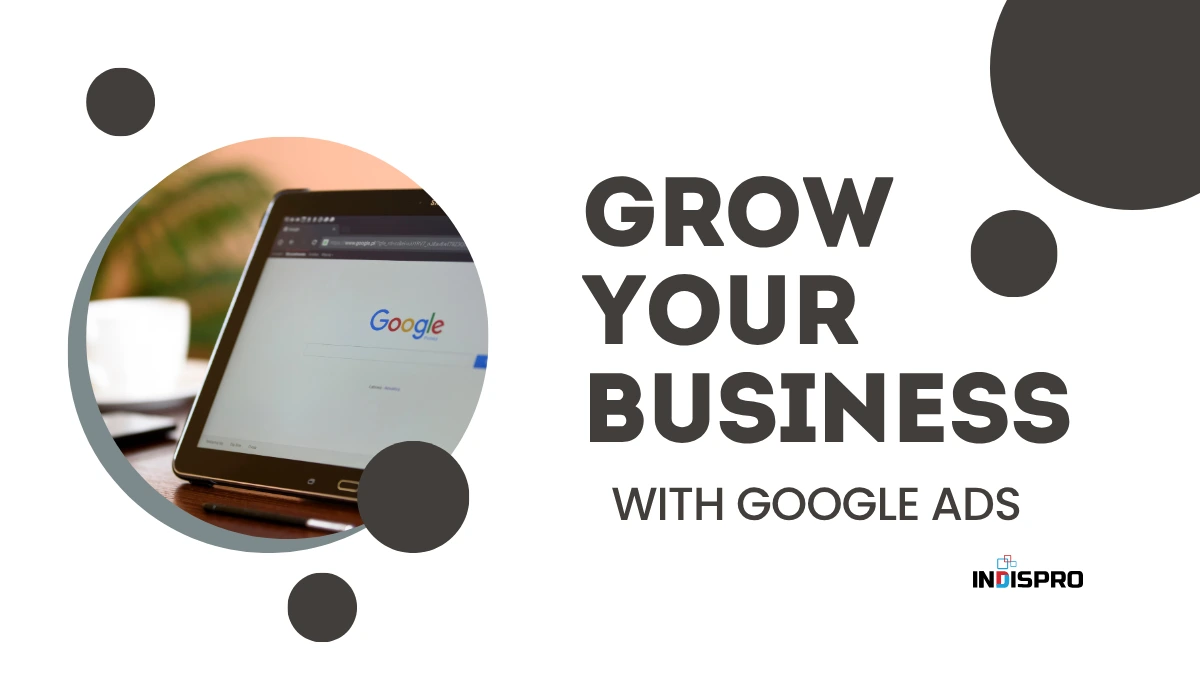
Running a business in today’s digital world is not easy. Every industry is crowded, customer attention spans are shorter, and competition is increasing every single day. No matter how good your product or service is, people cannot buy from you if they do not know your business exists. This is where Google Ads becomes one of the most powerful tools for growth. Businesses across the world use Google Ads because it allows them to connect directly with people who are already searching for solutions online. Instead of waiting months for customers to discover your website naturally, Google Ads puts your business in front of potential buyers almost instantly.
Think about how people use Google daily. When someone wants to buy a phone, hire a lawyer, book a hotel, order food, or find a marketing agency, the first thing they usually do is search on Google. Those searches represent intent. The person is already interested. They are already looking. Google Ads allows your business to appear at the exact moment that customer is ready to take action. That is what makes it different from many traditional advertising methods. You are not randomly promoting your business to uninterested audiences. You are targeting users with real buying intent.
Businesses that understand this advantage often scale much faster than competitors who rely only on organic traffic or word-of-mouth marketing. Whether you are a startup, a local service provider, an online store, or a global brand, Google Ads creates opportunities to generate leads, increase visibility, and grow revenue in a measurable way. Unlike traditional billboards, TV commercials, or newspaper ads, Google Ads provides detailed insights into every click, visitor, and conversion. That means you always know what is working and what needs improvement. In the modern digital economy, this kind of control and targeting is extremely valuable for businesses that want sustainable growth.
How Google Ads Works and Why It Is So Effective
Google Ads works through a bidding system where businesses compete to show their ads for specific search terms known as keywords. For example, if someone searches for “best digital marketing agency,” Google decides which ads appear based on factors like bid amount, ad quality, and relevance. The businesses with strong campaigns and relevant content usually perform better, even if they are not spending the most money. This is important because it gives smaller businesses a fair chance to compete with bigger companies.
One reason Google Ads is so effective is because it targets users at different stages of the buying journey. Some people may just be researching products while others are ready to purchase immediately. Businesses can create different campaigns depending on user intent. Search campaigns capture people actively searching for solutions, while display campaigns build brand awareness across websites and apps. Video ads on YouTube help businesses connect emotionally with audiences through storytelling and demonstrations. Shopping ads allow eCommerce businesses to display product images, prices, and reviews directly in search results.
Another major reason businesses succeed with Google Ads is speed. SEO is important, but ranking organically can take months or even years depending on competition. Google Ads allows businesses to bypass that waiting period and immediately start driving traffic. This is especially useful for new businesses trying to establish themselves quickly. Instead of waiting for customers to find them naturally, they can appear at the top of search results from day one.
Google Ads also provides incredible flexibility. Businesses can set their own daily budgets, choose target locations, decide which devices to target, and pause campaigns anytime. A local restaurant can target nearby customers while an international company can run campaigns worldwide. This level of control makes Google Ads suitable for businesses of all sizes and industries. The ability to test, optimize, and scale campaigns based on real performance data is what turns Google Ads into a long-term growth engine rather than just another advertising platform.
The Biggest Benefits of Using Google Ads for Business Growth
One of the biggest benefits of Google Ads is immediate visibility. When businesses invest in SEO alone, results may take a long time to appear. Google Ads changes that by placing businesses directly at the top of search results where customers are most likely to click. This visibility can generate traffic, leads, and sales much faster compared to relying only on organic marketing strategies.
Another major advantage is highly targeted advertising. Traditional marketing often wastes money by showing ads to people who are not interested. Google Ads solves this problem by allowing businesses to target users based on keywords, location, language, device, interests, and behavior. This means your ads reach people who are far more likely to become customers. A local plumber can target only people searching within a specific city, while an online clothing store can target fashion shoppers nationwide.
Google Ads is also highly measurable. Businesses can track clicks, impressions, conversion rates, customer acquisition costs, and return on investment. This level of transparency helps businesses make smarter marketing decisions. Instead of guessing whether an advertisement worked, you can see exact numbers and performance metrics. This makes optimization easier and improves long-term profitability.
Another benefit is scalability. Businesses can start with small budgets and gradually increase spending as campaigns become profitable. Many successful businesses began with modest Google Ads campaigns before scaling aggressively once they understood what worked. This flexibility makes the platform accessible even for small businesses with limited marketing budgets.
Google Ads also helps build brand recognition. Even when users do not click immediately, seeing your business name repeatedly increases familiarity and trust. Over time, this repeated exposure strengthens brand authority and improves customer confidence. In competitive industries, brand visibility alone can create a major advantage over competitors who are less active online.
Choosing the Right Google Ads Campaign for Your Business
One mistake many businesses make is using the wrong type of campaign for their goals. Google Ads offers several campaign formats, and each serves a different purpose. Understanding which campaign type matches your business objective is critical for success.
Search campaigns are the most common and often the most effective for lead generation. These ads appear directly in Google search results when users search for related keywords. Search ads work extremely well for businesses that offer services people actively look for, such as law firms, dentists, agencies, or repair companies. Since users already have intent, conversion rates are often higher.
Display campaigns focus more on visibility and awareness. These ads appear visually across millions of websites and apps in Google’s network. Display ads are useful for businesses wanting to increase exposure, retarget visitors, or stay visible to potential customers after they leave the website. Retargeting campaigns in particular can significantly improve conversion rates because users often need multiple interactions before making decisions.
Shopping campaigns are ideal for eCommerce businesses. These campaigns showcase products with images, prices, reviews, and product titles directly in search results. Shopping ads make it easier for customers to compare products quickly, which often increases click-through rates and sales. Businesses selling physical products usually benefit greatly from Shopping campaigns because they shorten the buying process.
Video campaigns on YouTube are becoming increasingly important because video content dominates online engagement. Businesses can use video ads for storytelling, tutorials, product demonstrations, testimonials, and brand awareness. Video marketing allows businesses to build stronger emotional connections with audiences compared to plain text ads.
Performance Max campaigns use automation and artificial intelligence to run ads across all Google properties simultaneously. These campaigns are designed to maximize conversions using Google’s machine learning systems. While automation can improve efficiency, businesses still need strong strategy, targeting, and creative assets to achieve the best results.
Keyword Research: The Foundation of Successful Google Ads Campaigns
Keyword research is one of the most important parts of Google Ads success. If you target the wrong keywords, your ads may attract irrelevant traffic that never converts into customers. Choosing the right keywords helps businesses connect with users who actually intend to buy products or services.
Successful keyword research starts with understanding customer intent. Some keywords indicate strong buying intent while others suggest users are simply researching information. For example, someone searching “buy gaming laptop online” is much closer to purchasing compared to someone searching “best laptops for students.” Businesses should prioritize commercial keywords that show purchase intent because these usually produce better conversion rates.
Long-tail keywords are especially valuable for smaller businesses. These are longer and more specific search phrases with lower competition. Instead of targeting broad terms like “marketing,” businesses may target “digital marketing agency for small businesses.” Long-tail keywords often cost less and attract more qualified traffic because they match specific user needs.
Negative keywords are equally important. These prevent ads from showing for irrelevant searches. For example, a premium service provider may exclude words like “cheap” or “free” to avoid attracting low-intent visitors. Proper use of negative keywords saves money and improves campaign performance by filtering unqualified traffic.
Businesses should also organize keywords into tightly focused ad groups. Grouping similar keywords together improves ad relevance and Quality Score, which can lower costs and improve ad positions. Strong keyword organization makes campaigns easier to optimize and scale over time.
Keyword research should never be treated as a one-time task. Search trends, competition, and customer behavior change constantly. Businesses that regularly analyze keyword performance and update campaigns often achieve better results than competitors who neglect optimization.
Writing High-Converting Ads That Get Clicks and Sales
A great Google Ads campaign depends heavily on strong ad copy. Even if keywords and targeting are perfect, weak ads can reduce clicks and conversions significantly. Effective ad copy attracts attention, builds interest, and encourages users to take action.
The headline is the first thing users notice. Strong headlines usually include the target keyword, a clear benefit, or a compelling solution. Headlines should immediately communicate value and relevance. For example, “Grow Your Business with Google Ads” is stronger than vague promotional language because it directly addresses the customer’s goal.
Descriptions should focus on benefits rather than just features. Instead of simply saying a business offers marketing services, an ad should explain how those services help customers increase sales, generate leads, or improve visibility. Users care more about outcomes than technical details.
Strong calls-to-action are also essential. Phrases like “Get Started Today,” “Book a Free Consultation,” or “Shop Now” guide users toward the next step. Without clear calls-to-action, users may lose interest or fail to act even if they like the offer.
Ad extensions can further improve performance. Extensions allow businesses to include extra information such as phone numbers, locations, links, prices, and reviews. These additional elements make ads larger and more informative, often increasing click-through rates.
Testing multiple ad variations is another important strategy. Businesses should continuously experiment with headlines, descriptions, and calls-to-action to identify which combinations produce the best results. Small improvements in click-through rates and conversion rates can significantly increase profitability over time.
Why Landing Pages Matter More Than Most Businesses Realize
Many businesses focus heavily on ads while ignoring landing pages. This is a major mistake because even the best ad campaign will fail if the landing page does not convert visitors effectively. A landing page is where users decide whether to trust your business and take action.
A high-converting landing page should immediately communicate what the business offers and why it matters. Visitors should understand the value proposition within seconds. Confusing layouts, weak messaging, or slow-loading pages often cause users to leave quickly.
Page speed is extremely important because online users are impatient. If a page takes too long to load, visitors may leave before even reading the content. Mobile optimization is equally critical because a large percentage of searches now happen on smartphones. Businesses that ignore mobile experience often lose significant numbers of potential customers.
Trust signals also improve conversion rates. Testimonials, reviews, certifications, client logos, and guarantees help build credibility. Many users hesitate to buy from unfamiliar businesses, so social proof becomes essential for building confidence.
Clear calls-to-action should appear throughout the page. Whether the goal is generating leads, bookings, or purchases, users should always know the next step. Strong landing pages guide visitors naturally toward conversion without unnecessary distractions.
Businesses should also align landing page content closely with the ad itself. If users click an ad promising a specific offer, the landing page should match that message exactly. Consistency between ads and landing pages improves user experience and increases conversion rates.
Common Google Ads Mistakes That Waste Money
Many businesses fail with Google Ads not because the platform does not work, but because campaigns are poorly managed. One of the most common mistakes is targeting broad keywords without proper filtering. Broad targeting attracts irrelevant traffic, leading to wasted clicks and low conversion rates.
Another common mistake is ignoring conversion tracking. Without tracking purchases, leads, or signups, businesses cannot accurately measure success. Running campaigns without data is essentially guessing. Conversion tracking allows businesses to identify profitable keywords, ads, and audiences.
Poor budget management is another issue. Some businesses spend aggressively without testing campaigns properly first. Others set budgets too low to collect meaningful data. Effective Google Ads management requires balance, patience, and ongoing optimization.
Ignoring negative keywords also wastes significant money. Businesses often pay for clicks from users who were never likely to convert. Adding negative keywords helps eliminate irrelevant searches and improves targeting efficiency.
Many advertisers also fail to optimize campaigns regularly. Google Ads is not something businesses should set up once and ignore. Performance changes over time due to competition, seasonal trends, and changing customer behavior. Regular optimization is necessary to maintain strong results.
Finally, weak landing pages destroy campaign performance. Businesses sometimes focus entirely on getting clicks while ignoring what happens after visitors arrive. A poor user experience can ruin conversion rates regardless of how good the ads are.
Why Small Businesses Can Win Big with Google Ads
Many small business owners believe they cannot compete against large companies with massive marketing budgets. Google Ads actually gives small businesses a powerful opportunity to compete more effectively because success depends heavily on relevance and strategy rather than just spending money.
Local targeting allows small businesses to focus on nearby customers instead of competing globally. A local service provider can dominate specific geographic areas by targeting highly relevant searches. Since users often prefer nearby businesses, local targeting creates strong advantages for smaller companies.
Small businesses also tend to understand customer pain points more personally. This often leads to more relatable ad messaging and stronger customer connections. Large corporations may have bigger budgets, but smaller businesses can often create more personalized campaigns.
Google Ads also allows businesses to start small and scale gradually. Instead of investing huge amounts immediately, businesses can test campaigns with controlled budgets, analyze results, and expand successful strategies over time. This reduces risk while creating opportunities for sustainable growth.
Many industries remain highly profitable for small advertisers because competition is not always as intense as people assume. With proper keyword targeting, strong landing pages, and consistent optimization, small businesses can generate impressive returns from Google Ads campaigns.
The key is focusing on efficiency rather than trying to outspend competitors. Businesses that understand customer intent, optimize campaigns carefully, and provide strong user experiences often outperform competitors with larger budgets but weaker strategies.
The Future of Business Growth with Google Ads
Digital advertising continues evolving rapidly, and Google Ads remains at the center of that transformation. Artificial intelligence, automation, and machine learning are reshaping how campaigns are managed. Features like automated bidding, audience targeting, and Performance Max campaigns are making advertising more efficient while also increasing competition.
Despite growing automation, strategy remains extremely important. Businesses still need strong messaging, compelling offers, high-quality landing pages, and clear understanding of customer behavior. Automation can improve efficiency, but it cannot replace smart business decisions entirely.
Video advertising will continue growing as consumer attention shifts toward visual content. Businesses investing in YouTube marketing and video storytelling are likely to gain stronger audience engagement in the coming years. Mobile advertising will also become even more important as smartphone usage continues increasing worldwide.
Privacy changes and evolving data regulations are also influencing digital advertising strategies. Businesses must focus more on first-party data, customer relationships, and building trust rather than relying only on aggressive targeting methods.
Ultimately, businesses that adapt quickly and continuously optimize their campaigns will benefit the most from Google Ads. The platform offers one of the fastest and most measurable ways to reach customers online. Whether the goal is increasing sales, generating leads, building brand awareness, or scaling operations, Google Ads provides tools capable of driving real business growth.
For companies serious about long-term success in the digital age, learning how to grow your business with Google Ads is no longer optional. It is becoming an essential part of modern marketing strategy.
Conclusion
In today’s competitive digital landscape, businesses need more than just an online presence to succeed. They need visibility, targeted traffic, and a marketing strategy that delivers measurable results. That is exactly why more companies continue to grow their business with Google Ads. Unlike traditional advertising methods that often rely on guesswork, Google Ads allows businesses to reach potential customers at the exact moment they are searching for products or services online.
From generating quality leads and increasing website traffic to boosting online sales and building brand awareness, Google Ads offers opportunities for businesses of every size and industry. The platform provides flexibility, advanced targeting, performance tracking, and scalability, making it one of the most effective digital marketing tools available today. Whether you are a small local business trying to attract nearby customers or a growing brand aiming to expand globally, Google Ads can help accelerate your growth when used strategically.
However, success with Google Ads does not happen automatically. Businesses that achieve the best results are the ones that focus on proper keyword research, compelling ad copy, optimized landing pages, conversion tracking, and continuous campaign improvement. Google Ads is not simply about spending money on clicks. It is about creating a system that turns online searches into real customers and long-term business growth.
As digital competition continues increasing, businesses that invest in smart advertising strategies will have a significant advantage over those that rely only on traditional marketing methods. Google Ads provides a direct path to connect with high-intent audiences, increase brand visibility, and stay ahead in an increasingly competitive market. For businesses looking to scale faster, improve marketing performance, and generate consistent results, Google Ads remains one of the most powerful growth platforms available today.
FAQs
1. What is Google Ads and how does it help businesses grow?
Google Ads is an online advertising platform by Google that allows businesses to show ads on search results, YouTube, and partner websites. It helps businesses grow by bringing targeted traffic from users who are actively searching for products or services.
2. Is Google Ads good for small businesses?
Yes. Small businesses can benefit a lot because they can target local customers, control their budget, and get quick visibility without waiting for SEO results.
3. How much budget do I need for Google Ads?
There is no fixed amount. You can start with a small daily budget and increase it gradually based on performance and results.
4. How fast can I get results from Google Ads?
You can start getting traffic and leads within hours or days after launching a campaign, depending on your targeting and ad quality.
5. Do I need a website to run Google Ads?
Not always, but having a website or landing page improves results significantly because it helps convert visitors into customers.
6. What type of businesses should use Google Ads?
Almost all businesses can use it, especially service-based businesses, eCommerce stores, local businesses, real estate, healthcare, and digital agencies.
7. What is the difference between SEO and Google Ads?
SEO focuses on organic rankings and takes time, while Google Ads provides immediate paid visibility on search results and other platforms.
8. Can Google Ads guarantee sales?
No platform can guarantee sales. Success depends on keywords, ad quality, landing page experience, and proper campaign optimization.
9. What is the most important part of Google Ads?
Keyword targeting and conversion tracking are the most important because they determine who sees your ads and how performance is measured.
10. Is Google Ads worth it in 2026?
Yes. It remains one of the most effective digital marketing tools for generating leads, increasing sales, and scaling business growth when used correctly.
Share On:
Categories
- Blog (29)


